


Choosing a distribution provider for angiography-related categories is rarely about one shipment. It is about how daily ordering behaves over time, especially when schedules shift, departments move fast, and small disruptions create unnecessary friction. When service stays dependable, teams can plan and move forward. When it does not, the same people lose time to follow-ups, internal escalations, and last-minute adjustments that should not be part of routine work.
This article stays on the operational side. It does not include medical claims, clinical guidance, or detailed product information. It focuses on what procurement and logistics teams can verify: record quality, traceability discipline, communication habits, and the stability of the systems running in the background. If you are selecting an angiography device supplier, the core question remains practical: will their process reduce workload, or will it quietly add extra steps to every order cycle?
Start with consistency, not promises
Many organisations sound strong in an introductory meeting. A better signal is whether performance remains steady week after week. Stability shows up in order accuracy, predictable delivery planning, and a low rate of avoidable exceptions. It also shows up in how quickly an operations team acknowledges a problem when it occurs, without waiting for a complaint to force action.
Listen closely to how everyday work is described. If the explanation is vague, that is often a warning sign. Strong operators can explain how orders are verified, how packing accuracy is protected, and how internal checks are built into routine steps. You do not need complex language. You need clear evidence that reliability comes from a repeatable method, not from goodwill alone.
Documentation is not admin, it is control
In regulated environments, records are not a formality. They are part of internal accountability. When paperwork is complete and consistent, internal checks move faster and uncertainty drops. When files are missing, unclear, or difficult to match to shipments, the burden shifts to staff that must pause and confirm basics that should already be clear.
A dependable distribution organisation treats documentation as part of the service itself. That means records arrive in a predictable format, are easy to reconcile, and do not require repeated reminders. It also means questions get clear answers, not half-updates that lead to more emails. Over time, disciplined record habits reduce friction and shorten the time it takes to close an order cycle cleanly.
Traceability should be routine, not reactive
Traceability tends to get attention right before an audit. That is the wrong time to find gaps. In day-to-day operations, traceability should work quietly in the background. When someone needs to confirm details later, the information should be easy to locate and simple to validate without a long search across inboxes, portals, and internal notes.
The most reliable teams build traceability into the same rhythm as order processing. They do not rely on memory or late fixes. Their workflow makes it difficult to miss key identifiers even when workloads rise. This is often the best indicator of operational maturity because it shows the process is designed to protect accuracy under pressure.
Communication style can prevent disruption
Hospitals do not benefit from dramatic reassurance. They benefit from clean updates that help them plan. When availability changes or a delivery window shifts, communication can either reduce disruption or amplify it. A dependable service team communicates early, explains what is confirmed and what is still being checked, and avoids vague statements that trigger extra follow-ups.
Also, review escalation handling. When something goes wrong, who owns it? How quickly does the team respond with a real plan? How often must staff repeat the same context to new contacts? Strong account handling keeps responsibility clear, reduces handoffs, and prevents slow drift where issues move around without real ownership.
Portfolio coverage needs coordination, not complexity
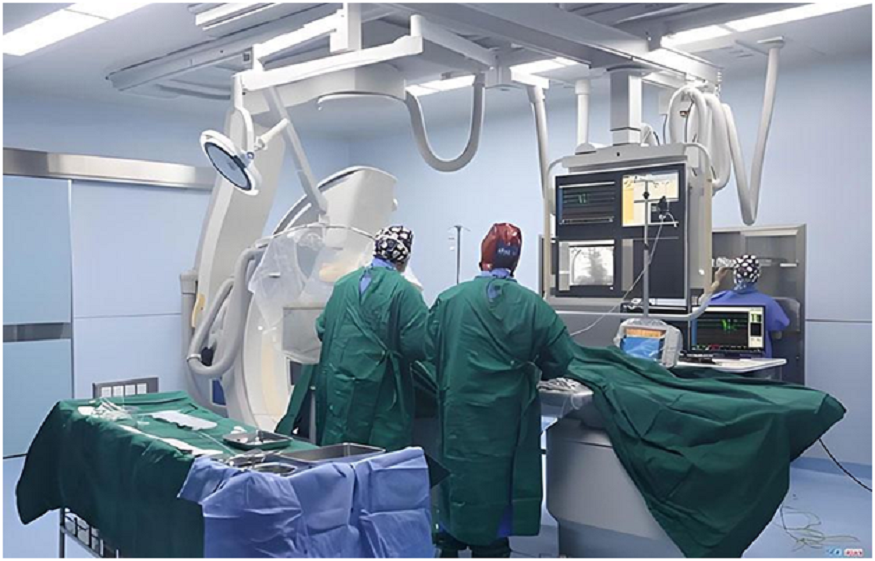
Angiography-related needs are often supported through a portfolio approach, where procurement coordinates across multiple manufacturers through one distribution channel. That structure can work well, but only if coordination is disciplined. In Switzerland, many angiography portfolios are organised across multiple manufacturers using a filtered catalogue approach, which makes record clarity and order matching even more important.
The right distribution model makes portfolio coverage feel organised rather than complicated. Availability updates connect cleanly to order records, shipments stay easy to reconcile, and pending items remain clear. The goal is not to overwhelm teams with options. The goal is to maintain predictable operations even when the product landscape is multi-brand and frequently updated.
Digital visibility should reduce follow-ups
Digital tools earn their place when they reduce uncertainty. Teams want visibility into what is confirmed, what is being prepared, what is in transit, and what records are linked to each shipment. When visibility is reliable, departments can plan without chasing updates. When it is not, staff fills gaps with emails and calls to confirm information that should already be clear.
The best digital support fits existing workflows. It does not force new routines just to access basic facts. It reduces the number of check-ins needed to confirm routine details and makes exceptions easier to manage. When visibility is done well, coordination becomes quieter because the facts are easier to see.
Judge strength during exceptions, not calm periods
Any vendor can look strong when conditions are stable. The real test appears when something changes. A shipment is delayed, a delivery slot must shift, or an order needs fast clarification. Those moments reveal whether the organisation has depth, or whether it relies on improvisation that creates extra work for the customer.
A mature operation handles exceptions with a steady method. It communicates early, responds clearly, and keeps the customer informed without creating noise. It also learns from repeated issues and adjusts internal steps instead of treating each problem as unrelated. Over time, this is what separates short-term convenience from long-term dependability.
Look for structured onboarding and stable support
A common mistake in selection is assuming early responsiveness will remain the same once the relationship becomes routine. This is why onboarding matters. A well-run provider sets expectations early around ordering flows, documentation handling, points of contact, and escalation routes. They clarify how changes will be communicated and how support should be requested when timing is tight.
Stable support also matters for continuity. When contacts change too often, context gets lost and staff end up repeating the same background information. A strong organisation protects continuity through clean internal records, consistent contact pathways, and internal handoffs that do not become the customer’s problem.
Compliance readiness should reduce the workload
Hospitals already carry heavy internal responsibilities. A distribution provider should reduce workload, not increase it. Compliance readiness is part of that. The key is whether records arrive complete by default, whether traceability is treated as routine, and whether responses to questions are clear and consistent. If staff often chases corrections, the hospital is effectively doing quality control on someone else’s process.
A strong operating model supports a calmer workflow. Issues remain rare, and when they occur, they are handled with clear ownership and prompt resolution. Over time, this reduces internal follow-ups, shortens reconciliation cycles, and lowers the background stress that comes from uncertainty. This is why consistent service and clean records are operational requirements, not “nice extras.”
Conclusion
Selecting the right distribution organisation in a regulated healthcare environment is mainly about protecting consistency. Records should be predictable. Traceability should be routine. Communication should be clear enough that teams can plan without guesswork. When those basics are handled well, operations become calmer. Fewer follow-ups are needed, fewer internal escalations occur, and staff can focus on core work instead of managing avoidable disruption.
For Swiss hospitals and clinics that value this kind of stability, Nexamedic supports healthcare environments with a distribution approach centred on reliable coordination, documentation discipline, and clear communication across Switzerland. Their team supports Swiss hospitals and clinics with a strong angiography device portfolio, backed by expert support, professional guidance, and dependable service. They also emphasise digitalisation and local immersion, alongside close manufacturer alignment, including an ownership stake in many of the brands they represent in Switzerland, which can support smoother information flow and more dependable support over time.
FAQs
Q 1. How can a hospital quickly spot whether an organisation is truly consistent?
Ans 1. Focus on routine performance, not presentation. Consistency shows up in accurate orders, predictable delivery planning, and records that arrive complete without reminders. Ask how exceptions are handled and whether the same issues repeat. Over time, stability looks like fewer follow-ups, fewer escalations, and fewer surprises across departments.
Q 2. What documentation habits usually indicate strong compliance readiness?
Ans 2. Predictability is the key. Records should be easy to match to shipments, delivered in a consistent format, and available without repeated requests. Strong operators treat documentation as part of normal service, not an extra step. This reduces reconciliation time and lowers the chance of internal delays caused by missing details.
Q 3. Why do portfolio-based categories require tighter coordination?
Ans 3. Because multi-manufacturer coverage can create mixed messages if coordination is weak. A strong organisation keeps order records clean, links availability updates to the correct orders, and maintains consistent documentation across the catalogue. This reduces confusion and prevents teams from wasting time clarifying what belongs to what.
Q 4. What should hospitals expect when an order faces delays or changes?
Ans 4. Early notice, clear ownership, and a realistic plan. Strong teams explain what is confirmed, what is still being verified, and what the next step will be. They avoid vague reassurance and reduce handoffs so staff do not repeat context to multiple contacts. This keeps disruption contained and easier to manage.