


They are not looking for great deals, not shopping for coffee, but stability. For a team that is on time, explains without talking down, and does not turn every visit into a negotiation. One kid might need more patience on this visit; another has a “Harry Who?” grin, but one adult carries years of “I’ll do it later” to every exam. People keep coming back before the trouble gets big because the care experience is easy. When care is a process, comfort is a result. The schedule gets teeth cleaned and small cavities fixed quickly, and big decisions seem less scary because the conclusions sound right. It works when it is easy to. And by reducing the dentistry’s invisible price, many well-run practices save: the missed work, the school that needs to be picked up, and the tension that makes people avoid opportunities.
Experienced Dentists That Prevent Mistakes
Picking the best dentist in Queens is rarely about one flashy skill. It is about judgment, and judgment shows up in the quiet moments. A seasoned clinician notices early gum inflammation before it becomes a chronic issue, spots wear patterns from grinding, and understands when a conservative fix will last. They also know when not to “sell” treatment, because unnecessary dentistry is not high-quality dentistry. Families feel safer when the recommendations sound measured.
Experience improves communication between the ages. For example, a teen may require practical, blunt coaching on how to keep hygiene up and comply with their aligners rather than a lecture. A parent usually wants priorities and sequencing, including what must be done now, what can be staged, and what the inevitable tradeoffs are. Their team should document clearly, follow up without nagging, and keep explanations consistent from visit to visit, even months later, without contradictions. Being consistent turns the normal trust into a habit.
A Consistent Preventive Routine
Most “comfortable dentistry” is preventative dentistry. Exams and cleanings catch early decay, gingival irritation, and bite changes while they are still easy to manage. Families benefit because fewer surprises mean fewer emergencies, and emergencies are where stress spikes fast for everyone. Prevention also protects time. It is far easier to keep a predictable schedule than to scramble for a last-minute appointment when a tooth starts throbbing on a Tuesday night.
Good prevention is also specific, not generic. Some patients need closer periodontal monitoring, others need enamel support, fluoride strategy, or a night guard to reduce bruxism damage. Kids often need coaching that matches how they actually live, including snack habits and rushed mornings at school. A strong team looks for patterns, like repeated decay between teeth, and adjusts tools and technique, not just motivation. That is how small changes compound.
Cosmetic Dentist Choices That Still Feel Natural
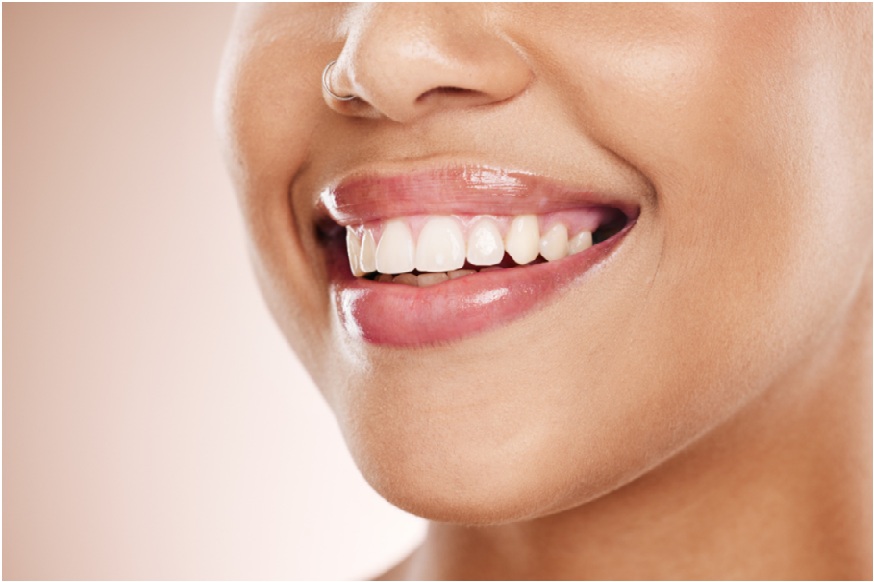
In many cases, while the overdue dental work is technically “cosmetic”, a cosmetic dentist in Queens can help with aesthetic issues as well. For instance, a chipped edge can irritate the lip, stains can change how someone speaks or smiles in photos, or uneven teeth can make one cover their mouth without noticing it. Sometimes, a dentist also plans the whitening, bonding, or veneers to look like the wrong person’s real smile, only cleaner, brighter, and more balanced.
The planning should be disciplined. Cosmetic work has to respect enamel thickness, bite forces, and maintenance expectations, comfort can drop after the excitement fades. Patients also deserve candid tradeoffs. Some choices are durable but more involved; others are simpler but need touch-ups. Sensitivity can happen, timelines matter, and shade selection is more nuanced than “as white as possible” for most faces. When the plan is thoughtful, confidence rises without regret.
Technology That Makes Care Easier
Modern dentistry can feel gentler because precision reduces guesswork. Digital imaging makes it easier to catch problems earlier and explain them clearly, in plain terms, without vague warnings. Intraoral scanning can be a relief for patients who hate impression trays, and better planning can reduce remakes, repeat visits, and the annoying “we need to redo this” conversation. For busy families, efficiency is a form of comfort because predictability lowers stress.
When families are evaluating the best dentist in Queens, technology should not be a sales pitch. It should be a toolset that improves diagnosis, clarity, and follow-through. Visuals help patients understand what is happening, which supports informed consent and reduces anxiety. Clean records also make future care smoother, especially when a parent is coordinating multiple family members with different needs. The goal is simple: fewer surprises and more control.
Comfort Starts at the First Visit
Comfort is decided quickly, often before the bib goes on. Families pay attention to whether the staff seems coordinated, whether the dentist actually listens, and whether anyone rushes through questions. A simple, respectful walkthrough of what will happen today lowers blood pressure fast. So does asking, plainly, what makes the patient nervous, then adjusting the pace. It signals control, not chaos, and that matters when someone has had a rough past experience.
The best visits also have rhythm. People settle when they know what comes next, what sensations are normal, and when they can pause. Kids do better with small, concrete explanations and a little praise that does not feel fake. Adults appreciate frank timing and a predictable plan, especially if they have sensitivity or a strong gag reflex. Even a “raise your hand, and we stop” agreement can change the whole appointment.
Planning for Busy Families
Family dental care has to respect real schedules, not ideal calendars. Parents need coordinated appointments, reasonable rescheduling, and a practice that does not run perpetually behind week after week for busy families. Comfort is also financial. Clear estimates, transparent sequencing, and honest priorities reduce the stress that makes people postpone care. When the plan is organized, families stop living in “we’ll get to it later,” because later usually costs more.
A cosmetic dentist in Queens is particularly popular among adults striving for terrific results without turning their life into an endless chain of appointments. Clever planning should begin with your ultimate goals and prioritize several next best steps that can be fitted within your schedule. Some want their smile to look better before an important event, while others visit looking for several time-steady transformations to avoid enamel damage and reduced sensitivity. The rationale outlined can cut costs and boost the time you have off without feeling too limiting.
Conclusion
Comfortable family dental care is built on steady routines, credible guidance, and a team that adapts to different ages without rushing or judging. The right dentist explains options in plain language, keeps the clinical pace calm, and creates an environment where patients can pause, ask questions, and feel in control. Over time, that experience changes behavior. Kids stop dreading visits, and adults stop waiting until pain forces the decision.
Iconic Smiles Dental Boutique offers a modern approach designed around patient confidence for families who want boutique-level care where detail, clarity, and comfort are treated as non-negotiables. Their team focuses on individualized planning, careful communication, and a welcoming environment, so appointments feel steady and decisions feel informed. That combination helps families stay consistent with care and feel good about each next step.
Frequently Asked Questions
Question: What makes a dental visit feel genuinely comfortable?
Answer: Comfort usually comes from predictability and consent. Patients feel better when each step is explained, pauses are welcomed, and sensitivity is taken seriously. A calm pace, clear timing, and honest answers matter more than “perfect” small talk.
Question: How often should families schedule checkups and cleanings?
Answer: Many people do well with six-month visits, but risk levels vary. A dentist may recommend shorter intervals for gum concerns, frequent cavities, or orthodontic monitoring. The best schedule is the one that matches history and keeps problems small.
Question: Can cosmetic dentistry be conservative and natural-looking?
Answer: Yes. Many cosmetic treatments are subtle, like whitening or bonding a small chip. The key is planning that respects enamel, bite, and maintenance. Natural results usually come from restraint, not chasing the brightest possible shade.
Question: What should parents do if a child is anxious at the dentist?
Answer: Let the team know specific triggers early and ask for a step-by-step explanation. Short, positive visits build trust, and predictable routines help kids feel safe. Scheduling at a quieter time of day can also reduce stress.
Question: Why does treatment planning matter so much for busy households?
Answer: Because uncertainty creates avoidance, when priorities, sequencing, and costs are clear, families can decide without pressure and follow through. A coherent plan also reduces repeat visits and prevents half-finished care from turning into urgent care later.